
Rodent Removal in Scripps Ranch
Scripps Ranch is stucco and concrete tile from the 1970s onward under the eucalyptus E.W. Scripps planted, and the gap under the first course of tile is where roof rats get in. Free inspection; the phone is answered at any time of day or night.
- Free tile eave inspection
- Metal bird stops, no foam
- Branch 2 registered contractors routed
The bird stop is the whole story on a Scripps Ranch roof
Nearly every house in Scripps Ranch is stucco under concrete S-tile or barrel tile, and the classic rodent entry on that roof is a missing or crushed bird stop at the eave. The bird stop is the closure under the first course of tile, a manufactured metal part, usually 26 gauge galvanized steel or aluminum and sometimes ventilated with weep holes, that fills the wave-shaped void between the tile and the roof deck. The US Department of Energy lists installing bird stopping among its recommended measures for clay and concrete tile roofs. Where the original was a foam strip or a run of mortar, it has usually been crushed by a ladder, pecked apart by birds or chewed by the first rat to find it, and the void behind it runs the length of the eave into the attic.
A cheap quote for a Scripps Ranch eave often means a can of expanding foam pushed into the gaps, which lasts a season. The contractor we route fits a new metal eave closure along every run where the original has failed, shaped to the tile profile, and prices it by the linear foot on the quote. Rodent exclusion on a tile roof is that closure plus new screen in the attic vents, a sweep on the garage door and metal around the utility penetrations. Roof rat removal comes first, with snap traps in the attic for at least a week.
Eucalyptus canopies and the rebuilt streets
The eucalyptus that E.W. Scripps planted across his ranch from the 1890s still defines Scripps Ranch, and the mature canopy is the route a roof rat takes to a roof. Eucalyptus limbs reach over tile roofs along many streets, and a rat that lives in the ivy or a palm skirt below walks a limb to the eave and drops onto the tile. The University of Florida extension describes roof rats as arboreal animals that travel along branches and wires, and a canopy this tall and this continuous is a highway. Keeping limbs cut back from the roof helps, and the eave itself still has to be closed.
The southern part of the neighborhood was rebuilt after the Cedar Fire of October 2003 destroyed more than 300 homes there, so those streets carry newer tile roofs on 2000s framing. A newer roof is a better roof, and it still has a bird stop that can be missing where a roofer left a run short or a foam strip has since failed. The inspection treats a 2005 eave the same way as a 1978 one. Poison has no real place in either: California's AB 1788 and AB 1322 removed the anticoagulant baits from residential use, and poison-free rodent control with traps and metal is the method that fits the law and the house. A homeowner tired of being told the scratching is the tile expanding at night can use the contact page or the phone, answered 24 hours a day, to have someone look.
A representative eave closure on a Scripps Ranch S-tile roof
On a concrete S-tile eave the closure is a metal strip stamped to follow the wave of the tile, and a representative installation lifts the first course, removes the crushed foam or broken mortar that was there, fits the new galvanized closure tight to the deck along the full run, and re-lays the tile over it. Where the roof needs to breathe, a ventilated closure with weep holes does the same job. The same ladder visit checks the ridge and hip caps for lifted ends, the roof-to-wall flashing at the second story, and the attic vents for screen.

Rodents in the attic
What is happening above the ceiling, explained.
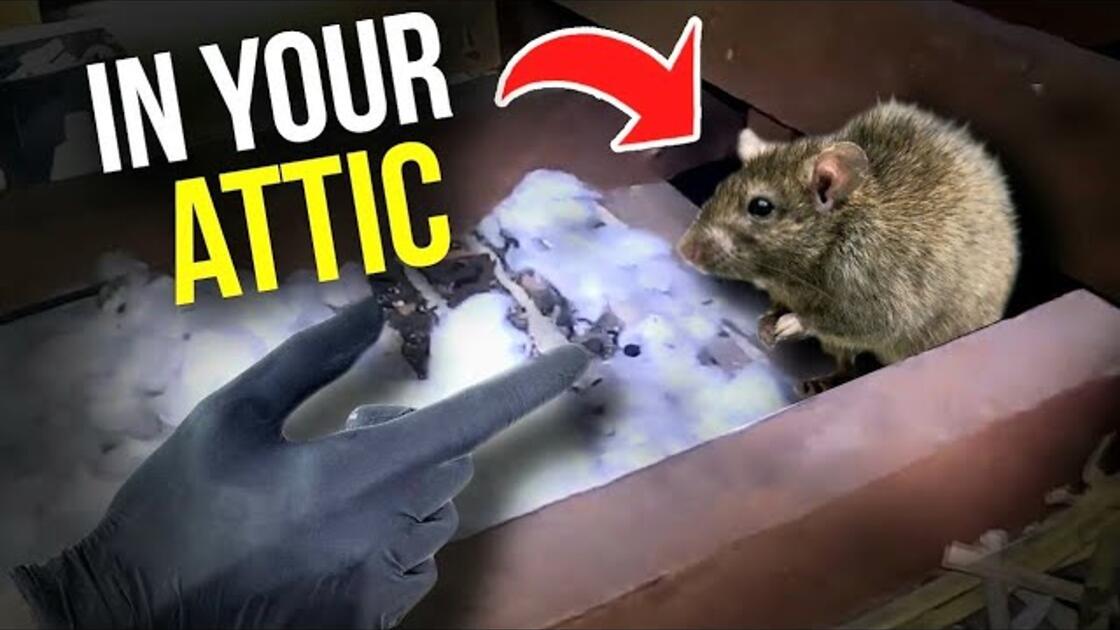
Video: Rodents in your ATTIC!? Here's what you do, from Twin Home Experts.
Why Scripps Ranch homeowners book through us
A named part instead of foam
The gap under a tile eave has a name and a manufactured closure, and the contractor we route fits that closure in metal along every failed run and prices it by the foot. The Department of Energy recommends bird stopping on tile roofs, and a galvanized or aluminum eave closure is the code-approved way to do it. Foam is chewed through and it is what a low quote usually means. Ask whoever attends what closure they use and to show you the profile against your tile before the ladder goes up.
US Department of Energy: bird stopping is a recommended tile roof measure
Traps, and a week of patience
With the anticoagulant baits removed from residential use by AB 1788 in 2021 and AB 1322 in 2024, both explained by the California Department of Pesticide Regulation, the method at a Scripps Ranch house is snap traps in the attic. Roof rats are wary of new objects, so the University of Florida extension advises leaving traps in place for at least a week, and HomeGuide's 2026 guide gives two to three days for a few animals and one to two months for a severe infestation. The sealing is what keeps the attic empty afterward.
HomeGuide 2026: a few animals in 2 to 3 days, severe cases 1 to 2 months
The registration is on the state board's site
Every company we route holds the Structural Pest Control Board Branch 2 registration that rodent work in California requires. Get the PR number from whoever attends and look it up at pestboard.ca.gov before anyone climbs a ladder. The county's Vector Control program offers a free outdoor educational inspection and a Rat Control Starter Kit at (858) 694-2888 and does not trap or seal; the contractors we route take that next step. Ask for an itemized quote, ask what the sealing warranty covers and for how long, and ask how many follow-up visits are included.
Structural Pest Control Board Branch 2, PR number at pestboard.ca.gov
A common Scripps Ranch call
The situation: A two-story stucco house from the early 1980s with a concrete S-tile roof, a eucalyptus in the front yard whose limbs reach over the garage roof, and ivy along the side fence. In late October the owners hear a light run across the ceiling of the upstairs bedroom just after they turn the lights out, every night. They have been told by a neighbor that it is the tile cooling.
What gets done: The inspection finds the bird stop along the garage eave crushed flat for six feet where a ladder has rested on it for years, a run of droppings on the attic side of that eave, and a second open run at the rear where the original foam strip has gone. Snap traps go into the attic for a week. Both eaves get a galvanized eave closure shaped to the S-tile along the full run, the attic vents get new screen, and the eucalyptus limb over the garage is cut back.
How it turns out: Two roof rats are trapped in the first week and the attic goes quiet. The follow-up finds the closures intact and no new droppings. The owners keep the limb trimmed, and the ladder now goes up against the gutter instead of the tile.
Scripps Ranch rodent questions
These are the questions Scripps Ranch callers ask most often.
My roof is newer. How are rats getting in?
Through the eave, most often, whatever the roof's age. The gap under the first course of tile is closed by a bird stop, and a roof from the 2000s can have a run where the closure was left short, a foam strip that has since crumbled, or a section crushed by a ladder. Newer roofs on the streets rebuilt after the 2003 fire are inspected the same way as the original 1970s and 1980s roofs. The free inspection checks every eave run from a ladder and lists each open one with a price for a metal closure.
Is foam under the tile good enough?
No. Expanding foam is chewed through, it breaks down in sun, and it is what a very low sealing quote usually means. The component made for the job is a metal eave closure, galvanized steel or aluminum, shaped to the profile of the tile and fitted under the first course along the full run, and the Department of Energy lists bird stopping among its recommended measures for tile roofs. Ask whoever attends what they will put under the tile and to show a sample against your roof.
Should I cut the eucalyptus back?
Cut the limbs back from the roof, and expect that to help without solving the problem on its own. Roof rats travel along branches and wires, and a eucalyptus limb over a tile roof is a direct route to the eave. Removing the limb makes the climb longer and less attractive. The rat then uses the fence, the ivy or the utility line instead, and still knows where the gap is. The trimming and the eave closure go together; the trimming is repeated each season and the metal stays.
Book the free inspection and have every eave run checked from a ladder.

Book a free inspection in Scripps Ranch
The phone is answered 24 hours a day. Say what you hear and where the eucalyptus reaches the roof, and the contractor we route will inspect every eave run and the attic and price each closure on its own line.