Rodent Removal in Clairemont
Clairemont went up at several houses a day in the early 1950s on streets that follow the canyon edges, and its open-eave ranch houses back straight onto roof rat habitat. The inspection costs nothing, and the line picks up at any hour.
- Free ranch house eave inspection
- Trap and seal, no anticoagulant bait
- Branch 2 registered contractors routed
A 1950s ranch house lets rats in at the eave and the garage
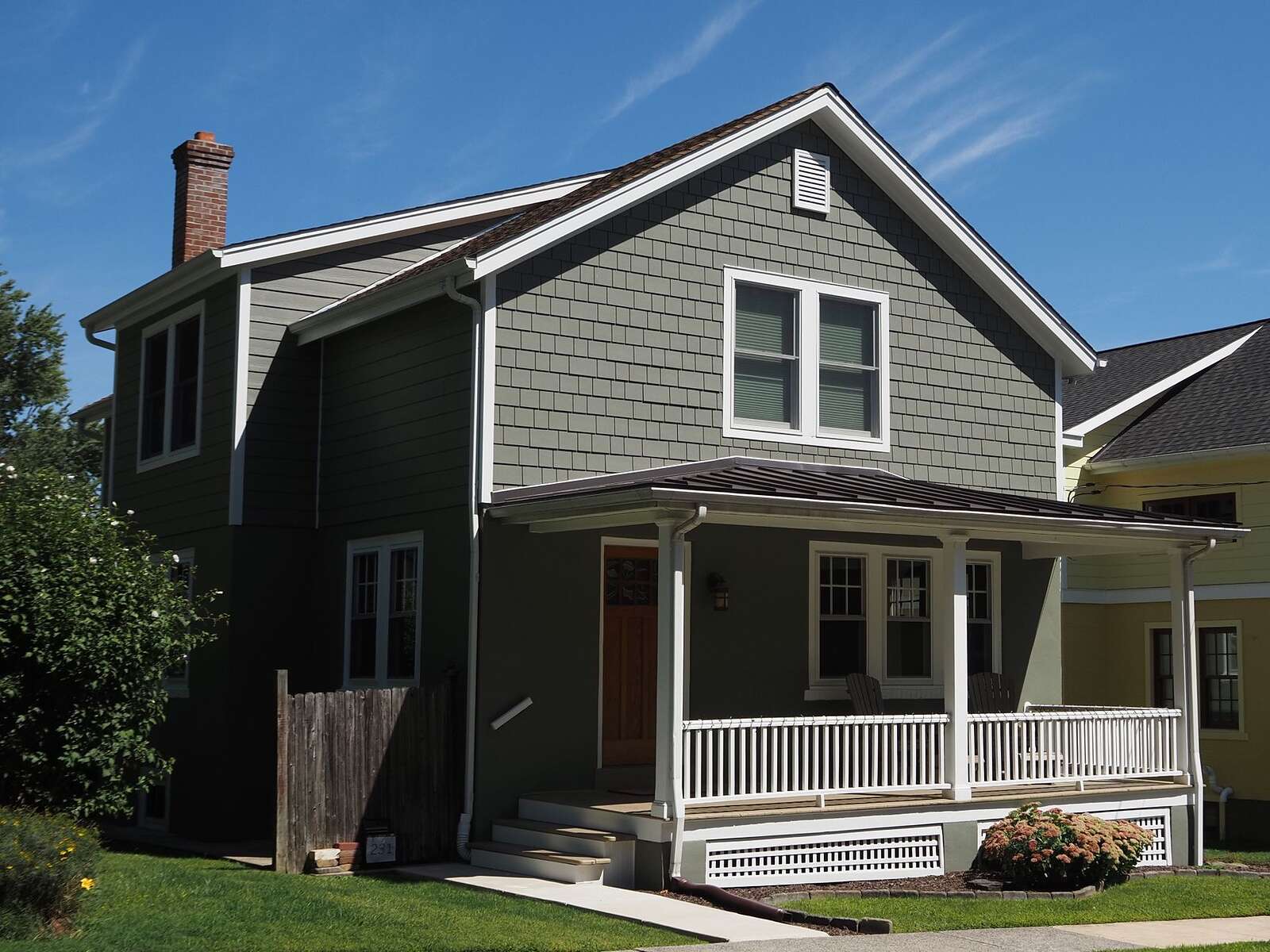
The Clairemont ranch house was built quickly, and its roofline shows it. Occupancy began in May 1951 and by the mid-1950s the builders were putting up seven homes a day, which produced a neighborhood of single-story houses with low-pitched roofs, open eaves with exposed rafter tails, and attached garages. In North Clairemont, NeighborhoodScout puts more than 86 percent of the houses in the 1940 to 1969 range. Seventy years on, the blocking between the rafter tails has shrunk, the attic vents have lost their screen, and the garage door has a gap at each bottom corner where the weather seal has worn away.
A roof rat reaches the eave along a fence, a bougainvillea on a trellis or the branch of a pepper tree, and enters at the first open rafter bay or vent it finds. The attached garage adds a second route at ground level: under the door, then through the wall into the house. The contractor we route inspects both, and lists each rafter bay, vent, garage corner and utility penetration with a price. Roof rat removal on a Clairemont ranch is trapping in the attic and the garage, then closing that list with metal.
Tecolote and San Clemente canyons run through the neighborhood
Clairemont is a set of sandstone mesas separated by canyons, and the finger canyons off Tecolote Canyon and San Clemente Canyon reach into almost every part of it. Tecolote Canyon runs north to south through the middle; San Clemente Canyon runs east to west along the north. Both carry seasonal creeks and riparian growth, which is the cover and water a roof rat colony needs all year. A house on a canyon finger lot has that habitat at the bottom of its own slope, and the slope is usually iceplant, ivy or untended brush with a fence at the top.
The consequence is a steady supply. A roof rat's normal range is around 150 yards from the nest by the University of Florida extension's figure, and with a canyon on three sides of many Clairemont blocks, that range covers the whole street. Trapping alone harvests the rats that came up this month, and the canyon sends the next ones. That is why the sealing is the part of the job that lasts. Cutting brush back from the fence line and keeping the slope clear of fruit and pet food makes the climb less rewarding, which helps, while rodent exclusion at the house is what stops the traffic.
The attic after seventy years of use
A Clairemont attic is low, hot in summer and often insulated with the original batts or a thin layer of blown-in material, and a season of roof rats leaves it soiled. Droppings gather along the top plates and around the furnace platform, urine soaks into whatever insulation is under the runs, and nesting material is packed into corners. The US Department of Energy notes that compressed insulation does not deliver its rated R-value and that wet insulation performs poorly, and insulation that rats have tunneled through and urinated on is both.
The order of work is trapping, sealing, then attic cleanup, and the insulation decision comes last. Removing and replacing the insulation across a low ranch attic is a contracted repair, which in California is Contractors State License Board work, so attic insulation replacement is routed to a contractor with the CSLB license for it and quoted on its own line. HomeGuide's 2026 national guide puts insulation removal and replacement at $2.50 to $5.50 per square foot, confirmed at the inspection. A homeowner who has spent a month being told by relatives that the scratching is the house settling gets a plain answer from the attic. The contact page or the phone, answered 24 hours a day, is the place to start.
A representative garage door corner seal on a Clairemont ranch house
The bottom corner of an attached garage door is the ground-level entry on most Clairemont houses, where the rubber seal has worn away and the concrete has settled to leave a gap wider than a rat needs. A representative repair fits a new rubber sweep along the full width of the door, adds a galvanized metal corner guard on each side where the door meets the jamb, and seals the gap between the slab and the wall plate behind it. The same visit checks the side door sweep, the water heater vent and the dryer duct where they pass through the garage wall.

Keeping rodents out once they are gone
Three approaches, and why sealing is the one that lasts.
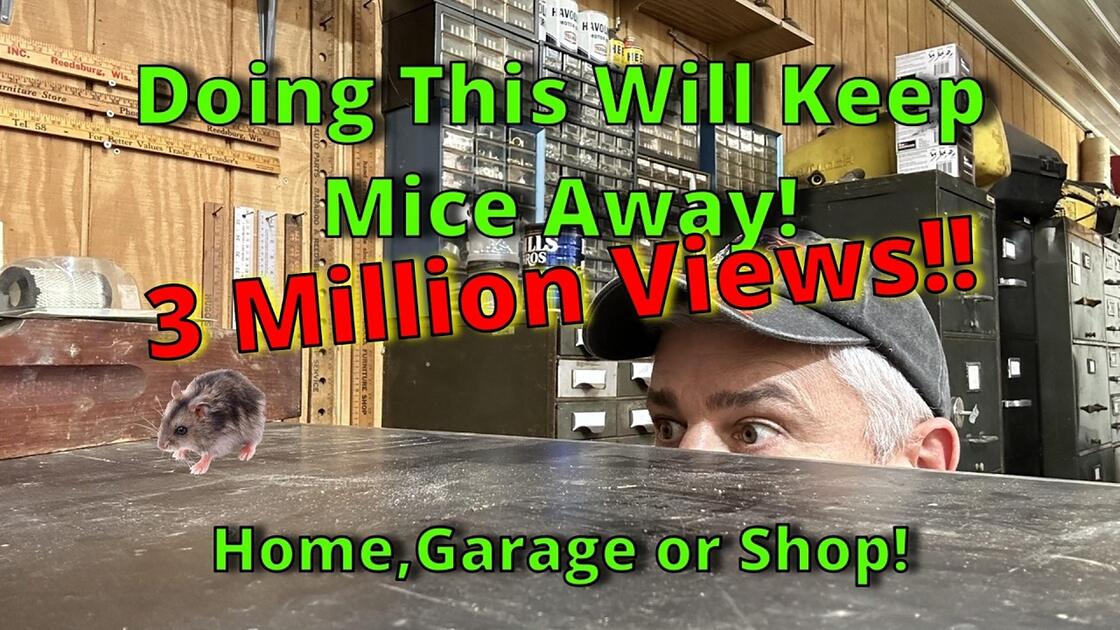
Video: 3 Ways To Get Rid Of Mice or Rats, And Keep Them Out!, from Everything Homestead.
Why Clairemont homeowners book through us
Rafter bays, vents and garage on one quote
A Clairemont ranch has its openings spread along the eaves and around the garage, and the contractor we route lists them all with a price beside each so the homeowner can compare the total with a second bid. Every opening is closed to a quarter inch, the University of Florida extension's rat-proofing standard, with hardware cloth in the bays, new screen in the vents and metal at the garage corners. HomeGuide's 2026 national band for trapping and removal runs $250 to $1,200, and the quote shows where the job sits within it.
HomeGuide 2026 national: trapping and removal $250 to $1,200
No anticoagulant bait at the house
AB 1788 barred the second-generation anticoagulants from residential use in California from January 2021 and AB 1322 extended the moratorium to diphacinone from January 2024, both set out in the California Department of Pesticide Regulation's published Q&A. What that leaves for a licensed contractor at a Clairemont house is a short list, and the practical method is snap traps in the attic and the garage for at least a week, then sealing. The University of Florida extension notes that trapping also avoids a poisoned rat dying inside a wall.
AB 1788 and AB 1322, California Department of Pesticide Regulation
The company registration is public
Every company we route holds the Structural Pest Control Board Branch 2 registration that rodent work in California requires. Ask whoever attends for the PR number and confirm it at pestboard.ca.gov before work starts. The county's Vector Control program also offers a free outdoor educational rodent inspection and a Rat Control Starter Kit at (858) 694-2888, without trapping or sealing. The contractors we route take the next step, and where the attic insulation needs replacing, that part goes to a contractor with the CSLB license for it.
Structural Pest Control Board Branch 2, PR number at pestboard.ca.gov
A common Clairemont call
The situation: A 1953 single-story ranch on a finger lot above Tecolote Canyon, attached garage, iceplant down the slope and a pepper tree whose branches rest on the rear roof. After the holidays the owners start hearing a scratching in the attic above the hallway every night around midnight, and once, a heavy thud. One of them lies awake listening for it. The other says it is probably a bird.
What gets done: The inspection finds four rafter bays open along the rear eave under the pepper tree, the attic vent at the gable end with its screen gone, and the garage door with a gap at the canyon-side corner. In the attic, droppings a quarter to half an inch long run along the top plate above the hallway and the insulation is tunneled in two places. Snap traps go into the attic and the garage and stay a week. The rafter bays along both eaves are closed with hardware cloth from inside, the gable vent gets new screen, the garage door gets a sweep and metal corners, and the pepper tree is cut back from the roof.
How it turns out: Three roof rats come out of the attic in the first week and none after. The follow-up confirms the seals and the silence. The two tunneled bays of insulation are removed and replaced as a separate line by a licensed contractor. The thud turns out to have been the last of the three.
Clairemont rodent questions
These are the questions that come up on most Clairemont calls.
My house backs onto a canyon. Is this going to keep happening?
It will keep happening until the house is sealed, and then it stops at the house. The canyon bottoms in Clairemont hold roof rats all year, and a rat's range of about 150 yards covers every finger lot along the rim. Nothing a homeowner does changes what lives in the canyon. What changes is whether the rat finds an opening at the eave or the garage, and closing every one of those with metal is what the sealing does. Keep the slope clear of fruit and brush near the fence, which makes the climb less worthwhile, and have the house closed.
Do I need to replace the attic insulation?
Only if the inspection shows it is soiled or tunneled, and that is a separate decision from the trapping and sealing. Rats urinate on the insulation under their runs and pack it into nests, and the Department of Energy notes that wet or compressed insulation performs poorly. Where the damage is limited to a few bays, those are removed and replaced. Where it covers the attic, the whole layer comes out. Either way it is priced on its own line and done by a contractor with the CSLB license for the work.
Is it safe to seal the house before the rats are trapped?
Sealing and trapping are done together, with the traps set first. A house that is sealed with rats still inside sends them into the living space looking for a way out, or leaves them to die in a wall. The contractor we route sets snap traps in the attic and garage, seals the openings on the same visit or the next, and comes back after a week or more to collect the traps and check for any new activity at the seals. Ask whoever attends how many follow-up visits are included and what happens if activity continues.
How long does it take to get rid of rats?
A light job takes a few days of trapping and a heavy one can run a month or two, going by HomeGuide's 2026 national guide. Roof rats are wary of new objects, so the traps stay in place at least a week on a Clairemont house regardless of how many rats are present. Sealing a ranch roofline and garage is usually one visit. The follow-up comes a week or more later, and that is when the homeowner finds out whether the attic has been quiet.
Book the free inspection and get the eaves and garage checked together.

Book a free inspection in Clairemont
The phone is answered 24 hours a day. Say which canyon the lot backs onto and what you hear at night, and the contractor we route will inspect the eaves, the garage and the attic and price each opening on its own line.