Rodent Removal in North Park
North Park grew fastest in the 1910s and 1920s as a streetcar suburb of wood-frame bungalows, and its open eaves, crawl spaces and alley garages are what a roof rat uses today. No fee for the inspection, and the phone is answered whatever the hour.
- Free bungalow roofline inspection
- Snap traps, then hardware cloth
- Branch 2 registered contractors routed
A Craftsman bungalow has an eave full of openings
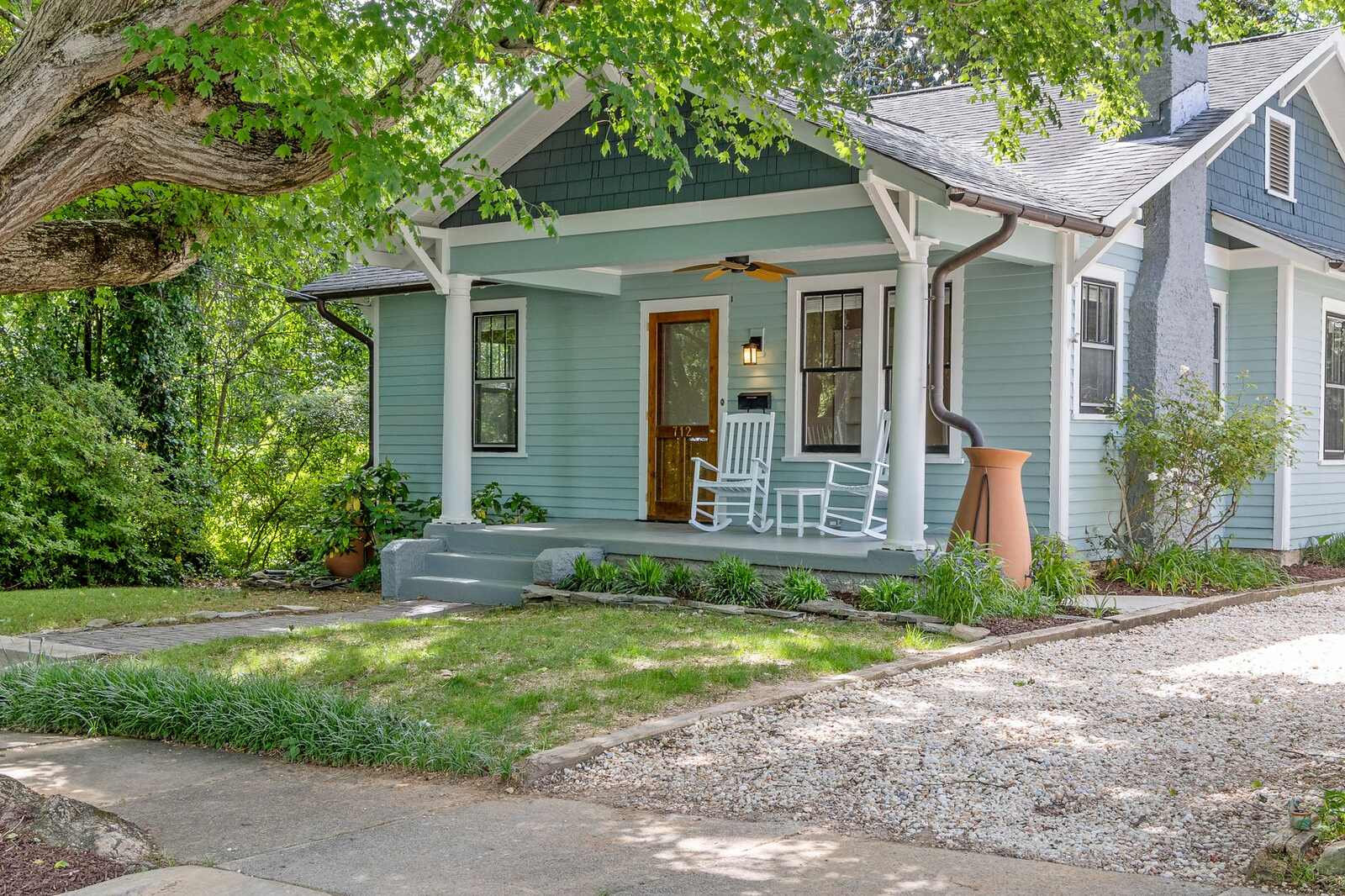
The North Park bungalow is a wood-frame house from the 1910s or 1920s with wide open eaves, and every one of those eaves has gaps a roof rat can use. The exposed rafter tails leave a bay between each pair where the roof sheathing meets the top of the wall, and the original builder closed those bays with a thin board or a strip of screen that has had a hundred years to shrink, split or rust. The Dryden Historic District near Morley Field is the best-known run of these houses, with 136 homes along 28th and Pershing designated in 2011, and the same construction repeats on block after block across the neighborhood.
The gap in a rafter bay is often wider than the half inch a rat needs, and it sits directly above the porch or the side yard where a rat has already climbed the downspout or the trellis. The University of Florida extension gives a quarter inch as the standard to seal to, since that stops a mouse as well. The contractor we route closes each bay from the attic side with hardware cloth cut to fit, which leaves the rafter tails and the fascia looking as they did. Roof rat removal in North Park is a job of many small openings on one roofline.
Small lots, alleys and old citrus bring the rats close
North Park's lots are narrow and its blocks are served by alleys, which means a roof rat in North Park lives close to several houses at once and moves between them along the fence tops and the garage roofs. The neighborhood started as a lemon grove in the 1890s, and citrus is still common in the back yards, along with the mature palms and the ivy on the fences that the county names as roof rat harborage. A detached garage on the alley with a gap under its door and a fruit tree beside it is where many North Park infestations begin, before the rat follows the fence to the main house.
Roof rats climb; the County of San Diego Vector Control notes they are the county's common rat and that they prefer to go up. The trip from an alley garage to an eave is a few yards along a fence and a foot up a downspout. Rats in a neighborhood this dense also carry a shared risk, since a household that puts out bait blocks can send a poisoned rat into a neighbor's wall, where it dies. The EPA describes most rodenticides as anticoagulants that kill four days to two weeks after the rat begins feeding, and that is time enough to walk next door. Trapping keeps the outcome in the trap.
The crawl space under a raised bungalow
Nearly every pre-war house in North Park stands on a raised foundation, and the crawl space under the floor is inspected on every job because it is the second way in. The foundation vents around the perimeter were screened with light wire when the house was built, and the ones on the alley side and behind the water heater closet are often open. Inside, the crawl space connects to the wall cavities and from there to the attic, so a rat that enters at grade can be heard in the ceiling a week later.
The sealing of a crawl space means new quarter-inch hardware cloth in every vent frame, a sweep on the access door, and metal around the plumbing and gas penetrations, using the 18 to 22 gauge cloth and metal weather stripping the county recommends. A rat that has already died under the floor is a separate problem with its own smell, and dead rodent removal is quoted on its own line when the inspection finds one. The whole roofline and crawl space list is what rodent exclusion covers on a bungalow. Nobody who has spent a week listening to the ceiling at 3am needs convincing that it is worth doing; the contact page or the phone, answered 24 hours a day, gets it started.
A representative rafter bay closure on a North Park bungalow
The rafter bay is the triangle of space between two rafter tails where they cross the top of the wall, and on a North Park Craftsman it is closed from inside the attic so the exposed tails stay untouched. A representative closure cuts a piece of galvanized quarter-inch hardware cloth to the shape of the bay, sets it against the blocking, and fastens it with screws and washers along all three edges so nothing can be pushed aside. The same visit checks the attic gable vents, the porch roof junction and the chimney chase.

Rat holes around a building
What a burrow looks like, and where it leads.
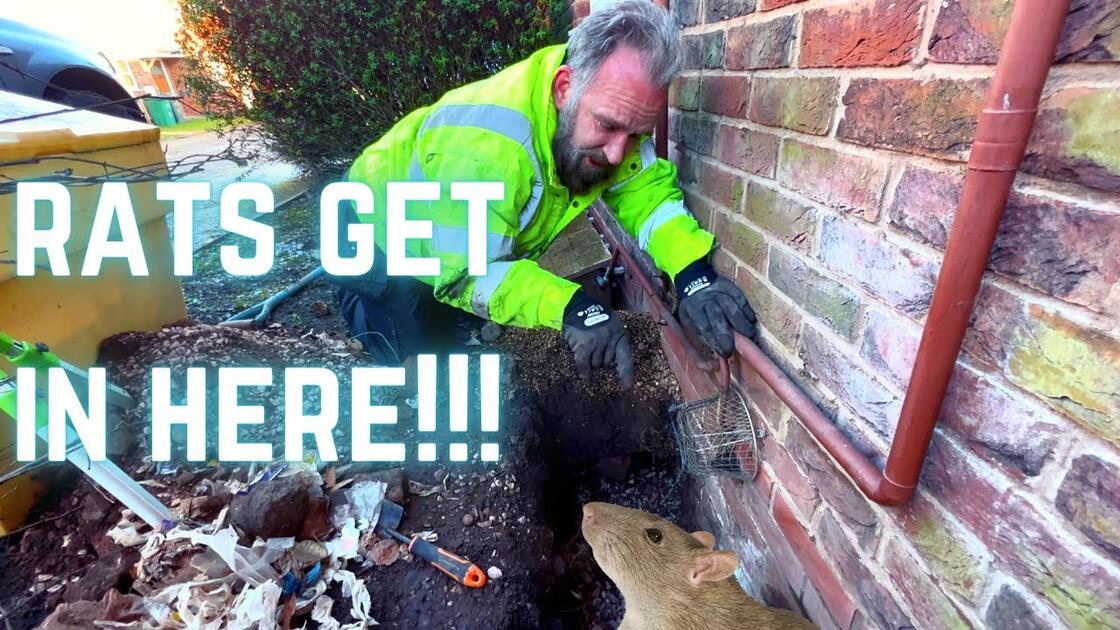
Video: RAT holes around your house? How to stop rats burrowing, from Pest Interceptors.
Why North Park homeowners book through us
Every rafter bay counted and priced
A bungalow roofline has dozens of small openings instead of one big one, and the contractor we route counts them and prices the sealing so the homeowner can see the whole roof on paper. Each bay is closed with hardware cloth to the quarter-inch standard the University of Florida extension sets for rat-proofing, from the attic side, with the historic eave left as it is. HomeGuide's 2026 national band for full-home exclusion runs $500 to $2,500, and an itemized quote shows where a North Park house falls within it.
HomeGuide 2026 national: full-home exclusion $500 to $2,500
Traps instead of bait, by law and by sense
Since January 2021 California's AB 1788 has barred the second-generation anticoagulant baits from residential use, and AB 1322 added diphacinone from January 2024; the Department of Pesticide Regulation publishes the details. On a dense North Park block, bait also sends a dying rat into whichever wall is nearest, which might be a neighbor's. The contractor we route uses snap traps, leaves them in place for at least a week because roof rats are wary of anything new, and seals the house so the attic stays empty.
AB 1788 (2021), AB 1322 (2024), California Department of Pesticide Regulation
A registration you can look up tonight
Rodent work in California is Branch 2 of the Structural Pest Control Board, and every company we route holds the Branch 2 registration the job requires. Ask whoever attends for the PR number and confirm it at pestboard.ca.gov before the first visit. Ask for the quote to separate trapping, sealing and any cleanup, ask what the sealing warranty covers and for how long, and ask how many follow-up visits come with it. Those four questions sort a good quote from a vague one.
Structural Pest Control Board Branch 2, PR number at pestboard.ca.gov
A typical North Park call
The situation: A 1915 Craftsman bungalow on a block with an alley, a detached garage at the back, an old lemon tree between the two and a fig hanging over the fence from next door. The owner has found droppings on the workbench in the garage for a month and shrugged it off. In the first week of November she hears something cross the ceiling of the front bedroom, then a slow gnawing near the closet, and she has been sleeping on the couch with the television on since.
What gets done: The inspection finds the garage door with a two-inch gap at one corner, a run of droppings along the fence rail to the house, and three rafter bays over the side yard open where the original blocking has split. In the attic, droppings a quarter to half an inch long with pointed ends follow the top plate to the front bedroom. Snap traps go into the attic and the garage for a week. The rafter bays along both eaves are closed with hardware cloth from inside, the garage door gets a new sweep and a metal corner, the fruit on the ground is picked up and the fig is cut back off the fence.
How it turns out: Two roof rats are trapped in the attic and one in the garage over the first five nights. The follow-up finds the seals intact and the attic silent. The owner moves back into the bedroom and keeps the fallen lemons picked up, which is her share of the work from then on.
North Park rodent questions
These are the questions North Park callers ask most often.
Is it my lemon tree bringing the rats?
The tree is food and the fence beside it is a road, so it is part of the picture. Citrus and other fruit trees are on the county's list of places roof rats feed and shelter, and North Park has many of them left from its years as a lemon grove. Picking up fallen fruit, harvesting what is ripe and cutting the canopy back from fences and the roof takes away the attraction. It does not close the house. The rafter bays and the foundation vents still need metal, and the free inspection lists each one.
Will sealing a Craftsman eave change how it looks?
It should look the same from the sidewalk. The rafter bays are closed from inside the attic with hardware cloth against the blocking, so the exposed rafter tails and the fascia stay as the builder left them. Gable vents keep their wooden louvers and get screen behind. Foundation vents keep their frames. If your house is in the Dryden Historic District or has its own designation, tell whoever attends before the visit and ask them to explain each closure. Expanding foam is the wrong answer on any of these houses.
How long does it take to get rid of rats in an old house?
HomeGuide's 2026 figures give two or three days of trapping for a few rats and up to a month or two for a heavy infestation. Roof rats avoid new objects, so the traps stay in for a week at least. Sealing a bungalow's rafter bays, vents and garage is usually one long visit, with a follow-up a week or more later to collect the traps and inspect the seals. Ask whoever attends how many follow-up visits the price includes and what happens if the noise comes back.
Book the free inspection before the rats settle in for winter.

Book a free inspection in North Park
The phone is answered 24 hours a day. Describe the noise, the garage and the trees along the fence, and the contractor we route will walk the eaves and the crawl space and put a price beside every opening.